
Insulation Materials
Application Areas
Glass Wool
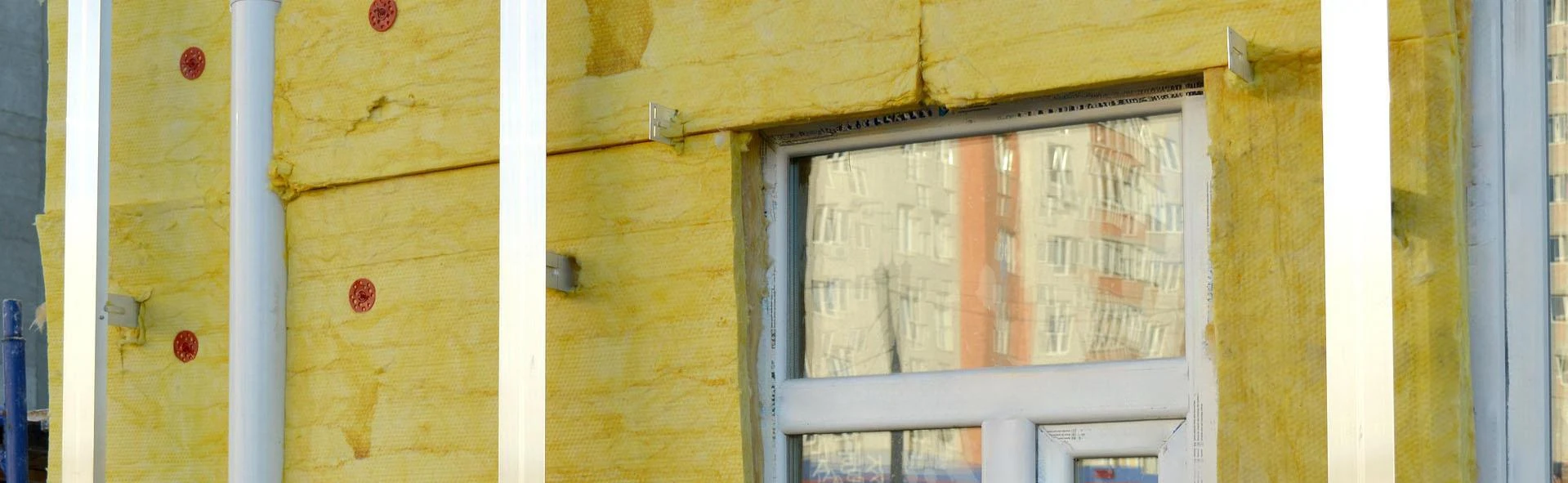
Glass wool is widely used in building and industrial insulation. Functional silanes enhance bonding between fibers and resins, as well as hydrophobicity, improving thermal insulation board strength and long-term performance.
Rock Wool
Rock wool offers excellent thermal insulation and fire resistance. Silane coupling agents improve its hydrophobicity and interfacial adhesion, enhancing installation stability and durability.
Aerogel
Aerogels, as high-performance insulation materials, feature extremely low thermal conductivity and lightweight properties. Functional silanes enhance the hydrophobicity and interfacial bonding of aerogel particles, ensuring long-term stability in pipelines, building walls, and power battery thermal insulation sheets.
Main Performance Improvements
Long-Term Durability
Silanes resist moisture and chemical attack, enabling insulation materials to maintain stable performance in pipelines, buildings, and battery thermal barriers.
Improved Mechanical Strength
By reinforcing bonding between fibers/particles, silanes increase compressive and tensile strength, preventing breakage and dusting during transportation and installation.
Thermal Stability & Weather Resistance
Silanes enhance interfacial stability, allowing insulation materials to maintain low thermal conductivity and structural integrity under high temperature, thermal cycling, and long-term outdoor exposure.
Improved Hydrophobicity
Silanes introduce organic functional groups onto aerogel, rock wool, and glass wool surfaces, imparting excellent water repellency and minimizing performance loss caused by moisture uptake.
Enhanced Interfacial Bonding
Functional silanes improve interfacial adhesion between inorganic particles/fibers and resins or matrices through chemical bonding, preventing delamination or pulverization and increasing structural strength.