
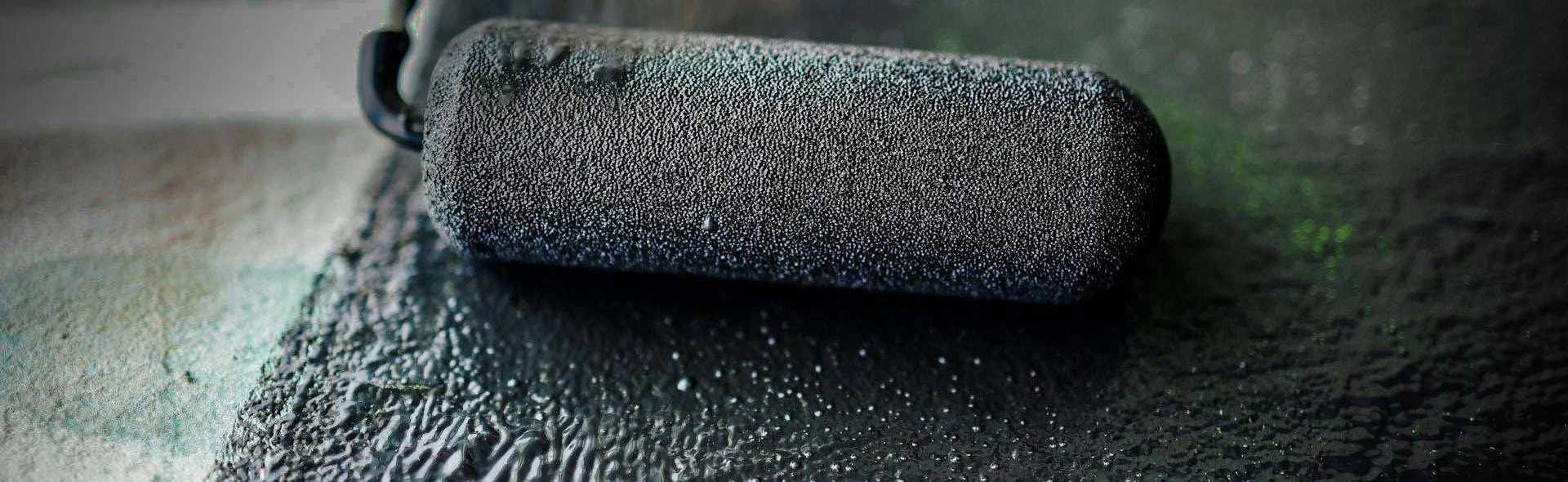
Waterproof Coatings (construction, engineering)
Application Areas
Roof/Wall Coating Modification
For water-based or solvent-based coatings, modification with alkyl or fluorosilane achieves surface waterproofing and self-cleaning effects.
Pipeline and tank waterproofing
For industrial pipelines, anti-corrosion tanks, and other structures, it is necessary to prevent liquid penetration and corrosion. Functional silane improves the bonding between coatings and metal or concrete interfaces, enhancing long-term waterproof reliability.
underground waterproofing
Suitable for basement, tunnel, and foundation structures, the coating requires long-term waterproofing and chemical corrosion resistance. Silane enhances the interfacial bonding between the substrate and the coating, reducing water penetration pathways.
waterproofing on the exterior wall
For curtain walls, exterior wall tiles, or coating systems that need to resist rain, weathering, and pollution, silane coupling agents can enhance substrate adhesion and improve coating durability.
Main Performance Improvements
Construction Adaptability
Silane enhances paint fluidity and wettability, ensuring uniform application, strong adhesion, and compatibility with various substrates.
Filler Dispersion and Coating Density
Improving the dispersion of inorganic pigments and fillers, reducing microvoids, and enhancing the waterproof barrier performance of coatings.
Weather resistance and UV resistance
Silane enhances coating stability, resisting UV exposure, weathering, and thermal cycling to extend service life.
adhesion enhancement
Silane forms chemical bond bridges between the substrate and coating, enhancing adhesion and preventing coating peeling or cracking.
Waterproofing Improvement
Alkyl/fluorinated silanes can reduce the surface energy of the coating, making water droplets roll off easily and enhancing the coating's anti-permeability.
Water Repellency on Mineral Substrates
Silane-based water repellents can limit water absorption in porous mineral substrates such as concrete. Results depend on the product, substrate, and application conditions.